PhD in Computational Drug Design & Molecular Dynamics SimulationsGeorg-August University Göttingen & Max Planck Institute for Biophysical Chemistry · 2012
Physics Studies (Diplom)Leibniz University Hannover & Georg-August University Göttingen · 2002-2009
I build and lead the engineering behind research software — the applications and AI, the data pipelines, and the HPC and cloud infrastructure underneath — turning complex scientific data into systems people can rely on. I care as much about the teams I mentor as the systems themselves, and I try to leave things simpler than I found them.
Automated data governance framework with ontology-backed validation, factory-pattern entity generation, and multi-interface deployment.
Designed a schema-first metadata governance system that generates Pydantic models from YAML specifications. Enforces ontology-backed validation across REST API, CLI, and web interfaces to ensure data quality at ingest boundaries.
Role: Lead Architect
Architecture: Factory pattern for entity generation, ontology URI resolution
Interfaces: FastAPI REST, Typer CLI, HTMX web UI
Governance: Schema validation prevents dirty data entering downstream ML pipelines
Access: Login via SRAM account or register with EduID
A self-hosted platform that serves large language models to TU Delft researchers, so they can work with sensitive or unpublished data without sending it to an external provider.
TU Delft's local platform for serving large language models to researchers and students, through a chat interface and an OpenAI-compatible API. Keeping inference on-premises is the point: sensitive or unpublished data never leaves the university's infrastructure.
Role: Research & Platform Engineer (contributor)
Serving: NVIDIA Dynamo and vLLM on the TULIP Kubernetes cluster
Scale: serves multiple LLMs to ~100 users; running for ~6 months and in active development
Deployment: GitOps via Flux, with separate staging and production environments
Access: OpenAI-compatible API and chat interface, with OIDC authentication
Observability: Grafana dashboards plus automated alerting when production becomes unreachable
Building expertise in FAIR data management and AI-ready research data governance for life sciences.
Selected for the TDCC-LSH (Life Sciences & Health) FAIR Fellowship Programme (NWO-funded) to develop expertise in enterprise data governance, metadata standards, and AI-ready research data infrastructure.
Role: FAIR LSH Fellow
Mentor: Sharif Islam (Naturalis)
Focus: Data governance, metadata standards, interoperability
Multi-institutional research data platform with federated identity, MLOps integration, and GitOps deployment across four Dutch universities.
Architecting ResilienceHub, a federated research data platform spanning TUD, UvA, UU, and WUR. Designed multi-tenant identity management with Keycloak, container-orchestrated microservices, and MLflow integration for experiment tracking across distributed research teams.
Role: Consultant for Systems Design, Architecture, and DevOps
Scale: 4 universities, multiple industry partners, ~58M combined funding
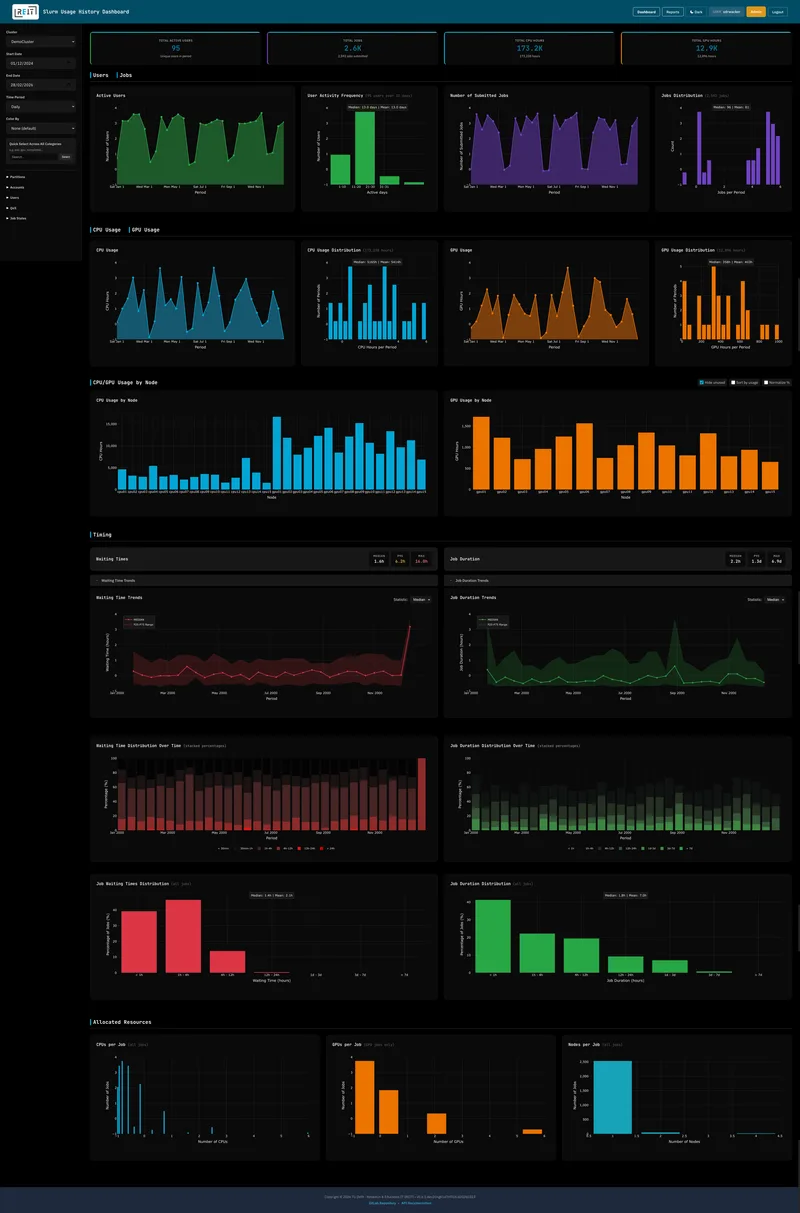
HPC cluster observability platform for capacity planning and resource optimization across multi-tenant compute environments.
Architected an observability pipeline that exports the SLURM database to DuckDB for historical analysis. Visualizes cluster utilization patterns to inform capacity planning and resource allocation decisions.
Role: Lead Architect & Developer
Scale: Multi-tenant HPC cluster with hundreds of users
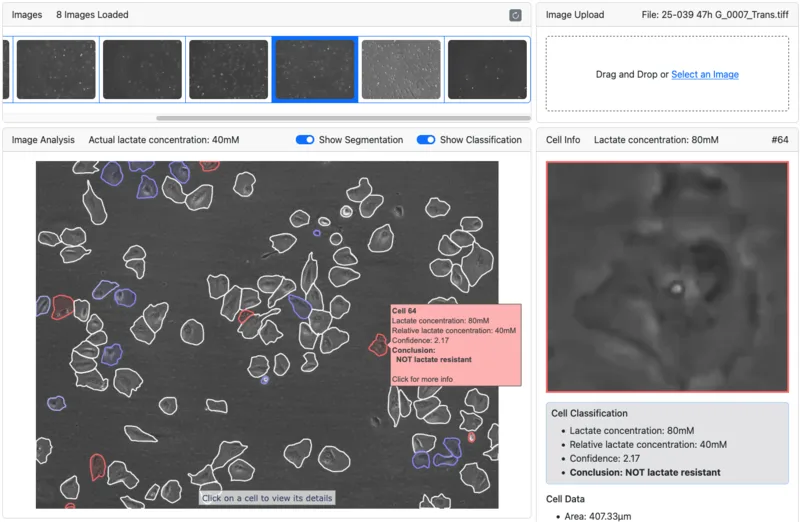
Rapid proof-of-concept demonstrating production-grade deep learning inference in browser environments.
Delivered browser-based computer vision POC in 6 weeks, demonstrating PyTorch model deployment for single-cell segmentation and classification. Architecture designed for zero-infrastructure inference to support grant application.
Role: Solution Architect & Developer
Constraint: 6-week delivery timeline
Architecture: Browser-based inference, no server-side compute required
Impact: Supported successful $2M Bezos Earth Fund grant
Led data architecture for the PRIME consortium (University of Calgary, the Broad Institute, and Harvard Medical School). Managed multi-tenant database partitioning for genomics, proteomics, and metabolomics data linked to clinical records across multiple research groups.
Distributed proteomics QC system with job queue durability, container isolation, and zero data pollution in high-throughput environments.
Architected a distributed QC platform to replace inconsistent manual workflows. Designed job queue durability via Redis/Celery with container isolation to ensure zero data pollution across concurrent analyses in multi-tenant environments.
Role: Lead Architect & Developer
Problem: Inconsistent manual QC across research team
High-throughput data processing engine handling 3000+ file batches where existing tools failed at scale.
Built a scalable metabolomics processing engine after existing platforms failed at 3000+ file batches. Evolved from Jupyter library to standalone web application with interactive visualization and batch processing capabilities.
Role: Lead Architect & Developer
Scale: 3000+ file batch processing where competitors failed
Evolution: Python library to Plotly Dash web application
Architecture: Pandas data engine, parallel processing, interactive dashboards
Publication: 'MS-MINT: An Open-Source Data Analysis Software for Large-Scale Metabolomics Studies', Analytical Chemistry (2026)
In partnership with
Machine Learning for Drug Discovery (Achlys-Inc)
2014-2016
ML startup applying predictive models to drug safety assessment, focusing on cardiac toxicity prediction.
Co-founded ML startup with Li Ka Shing Institute to deploy predictive models for drug safety assessment. Built production ML pipelines for cardiac toxicity (hERG blockade) prediction to accelerate drug candidate screening.
Local-first knowledge architecture with edge compute, client-side state synchronization, and zero server-side overhead.
Designed a local-first software architecture running real-time graph layouts using WebAssembly (Typst WASM). Client-side state synchronization without expensive server-side overhead. Demonstrates expertise in edge compute and sovereign data architectures.
Hierarchical data management with embedded database architecture and offline-first synchronization.
Built a hierarchical data management system with embedded SQLite persistence and D3.js visualization. Demonstrates offline-first architecture patterns with full data portability via JSON/CSV export.
Architecture: Electron native shell, SQLite embedded database, D3.js force-directed graphs
Data Model: Hierarchical tree with cross-linking beyond parent-child relationships
AI Integration: Optional LLM enhancement via Ollama or OpenAI-compatible APIs
Portability: Full data export to Markdown, JSON, and CSV formats
Local-first desktop task manager with projects, statuses, a kanban board, milestones, and markdown notes.
An Electron task manager built with Vue 3 and an embedded SQLite database. Tasks are organised into projects, statuses, topics, and tags, viewed as rows, cards, or a kanban board, and annotated with markdown notes. Local-first: one SQLite file on the machine, no account, no network dependency.
Stack: Electron 39, Vue 3, better-sqlite3 (WAL)
Views: rows, cards, and a kanban board with drag-and-drop
Organisation: projects, statuses, topics, tags, and milestones
Notes: markdown with mermaid diagrams, shared by todos and projects
MCP server: AI assistants read and write the same database
Cross-platform desktop markdown viewer with Mermaid diagrams and syntax highlighting.
A lightweight Electron markdown viewer with Mermaid diagram rendering, syntax-highlighted code blocks, and dark mode. Runs on macOS, Windows, and Linux.
Stack: Electron
Rendering: Mermaid diagrams and syntax highlighting
Minimal real-time collaborative application demonstrating Firebase event-driven synchronization with per-user data isolation.
Architecture: Vite build, Firebase Auth, Firestore real-time sync
Deployment: Netlify edge hosting
Pattern: Event-driven state synchronization
Selected Publications
LAMPrEY: a Python-based automated quality control tool for large-scale proteomics datasets
2026
Valdés-Tresanco ME, Wacker S, Valdés-Tresanco MS, Plakhotnyk A, Brodie NI, Hepburn M, Ulke-Lemée A, Huttlin EL, Lewis IA
Analytical Chemistry (accepted)
Over the past years, proteomics has moved increasingly towards the analysis of large cohorts of biological specimens. This has been made possible by significant improvements in mass spectrometry technology, chromatographic separation methods, and improved data acquisition strategies. These technological advances now routinely enable experiments that yield vast datasets that substantially outstrip the capacity of existing proteomics data analysis approaches. Processing such large datasets requires purpose-built, quality control tools designed to organize and analyze the data while recording all processing parameters for reproducibility. To address this need, we developed an open-source, Python-based software platform, Large-scale Automated Multi-level Proteomics Evaluation by Python (LAMPrEY), a comprehensive quality-control pipeline for quantitative proteomics analyses of large cohorts of samples. LAMPrEY features GUI-based file submission, automated processing with MaxQuant and RawTools, an interactive analytics dashboard, and an application programming interface (API) for programmatic usage that collectively enable rapid, reproducible analysis and interpretation of proteomics data. We demonstrate the longitudinal monitoring and analytical capabilities of LAMPrEY using TMT11 quantitative proteomics data generated from 910 Enterococcus faecium isolates collected from bloodstream infection patients. LAMPrEY is an open-source software that can be accessed at www.lewisresearchgroup.org/software.
MS-MINT: An Open-Source Data Analysis Software for Large-Scale Metabolomics Studies
2026
Valdés-Tresanco ME, Valdés-Tresanco MS, Wacker S, Brodie NI, Ponce LF, Aburashed R, Mansuri A, Groves RA, Ulke-Lemée A, Lewis IA
Analytical Chemistry
Metabolomics has emerged as a mainstream approach for investigating the complex metabolic underpinnings of living systems, and over recent years, it has increasingly been applied to large cohort studies that tax the limits of existing computational tools. Most existing metabolomics software tools are effective at analyzing small data sets but exhibit a number of shortcomings that limit their utility when applied to large studies: they store entire data sets in memory, they use batch-dependent fitting algorithms, and they do not use concrete metrics for peak fitting, which not only results in inconsistent peak-picking results across samples but also complicates the documentation of data analyses. To address this, we developed the mass-spectrometry metabolomics integrator (MS-MINT), a Python application for processing, analyzing, and visualizing large liquid chromatography-mass spectrometry (LC-MS) data sets. To enable reproducible large-scale data processing, MS-MINT uses a region of interest (ROI)-based approach to extract data. We illustrate the function of this new tool by analyzing metabolites present in the media of a large data set (3334 files) of Staphylococcus aureus cultures. We show that MS-MINT accurately reproduces data generated from other software tools in a fraction of the time. In summary, MS-MINT offers a purpose-built software platform to support large-scale metabolomics data analyses. MS-MINT software is freely available at https://www.lewisresearchgroup.org/software.
SCALiR: A Web Application for Automating Absolute Quantification of Mass Spectrometry-Based Metabolomics Data
2024
Ponce LF, Bishop SL, Wacker S, Groves RA, Lewis IA
Analytical Chemistry
Metabolomics is an important approach for studying complex biological systems. Quantitative liquid chromatography-mass spectrometry (LC-MS)-based metabolomics is becoming a mainstream strategy but presents several technical challenges that limit its widespread use. Computing metabolite concentrations using standard curves generated from standard mixtures of known concentrations is a labor-intensive process which is often performed manually. Currently, there are few options for open-source software tools that can automatically calculate metabolite concentrations. Herein, we introduce SCALiR (Standard Curve Application for determining Linear Ranges), a new web-based software tool specifically built for this task, which allows users to automatically transform LC-MS signal data into absolute quantitative data (https://www.lewisresearchgroup.org/software). The algorithm used in SCALiR automatically finds the equation of the line of best fit for each standard curve and uses this equation to calculate compound concentrations from their LC-MS signal. Using a standard mix containing 77 metabolites, we found excellent correlation between the concentrations calculated by SCALiR and the expected concentrations of each compound (R2 = 0.99) and that SCALiR reproducibly calculated concentrations of mid-range standards across ten analytical batches (average coefficient of variation 0.091). SCALiR offers users several advantages, including that it (1) is open-source and vendor agnostic; (2) requires only 10 seconds of analysis time to compute concentrations of >75 compounds; (3) facilitates automation of quantitative workflows; and (4) performs deterministic evaluation of compound quantification limits. SCALiR provides the metabolomics community with a simple and rapid tool that enables rigorous and reproducible quantitative metabolomics studies.
DigestR: an open-source software tool for visualizing LC-MS proteomics data resulting from natural protein catabolism
2024
de Lamache DD, Aburashed R, Wacker S, Lewis IA
bioRxiv (preprint)
Protein catabolism is an essential biological function supported by every living organism. Although liquid chromatography mass spectrometry proteomics has advanced considerably over the past decade, protein catabolism in natural systems is still difficult to study. One reason for this is the lack of software tools designed specifically for decoding the complex mixtures of peptides that result from in vivo protein digestion. To address this, we developed DigestR, an open-source software tool designed specifically for the analysis of LC-MS proteomics data. DigestR allows users to visualize naturally occurring peptides, align them to a reference proteome and display them at either a proteome-wide or protein-specific level. These visualization tools allow users to track the patterns of peptides occurring in natural systems and map naturally occurring proteolytic cut sites. To demonstrate these functions, we used DigestR to analyze a mixture of peptides resulting from the in vitro digestion of human hemoglobin and bovine albumin with a cocktail of well characterized proteases. As expected, DigestR correctly identified both the proteins involved and the proteolytic cut sites produced by our protease cocktail. We then used DigestR to analyze the complex semi-ordered hemoglobin digestion pathway used by the malaria parasite Plasmodium falciparum. We show that DigestR successfully identified the proteolytic cut sites linked to the Plasmepsins, a protease known to be involved in hemoglobin digestion by the parasite. Collectively, these findings show that DigestR can be used to help visualize and interpret the complex mixtures of peptides occurring through in vivo protein catabolism.
Microbiota alters the metabolome in an age- and sex-dependent manner in mice
2023
Brown K, Thomson CA, Wacker S, Drikic M, Groves R, Fan V, Lewis IA, McCoy KD
Nature Communications
Commensal bacteria are major contributors to mammalian metabolism. We used liquid chromatography mass spectrometry to study the metabolomes of germ-free, gnotobiotic, and specific-pathogen-free mice, while also evaluating the influence of age and sex on metabolite profiles. Microbiota modified the metabolome of all body sites and accounted for the highest proportion of variation within the gastrointestinal tract. Microbiota and age explained similar amounts of variation the metabolome of urine, serum, and peritoneal fluid, while age was the primary driver of variation in the liver and spleen. Although sex explained the least amount of variation at all sites, it had a significant impact on all sites except the ileum. Collectively, these data illustrate the interplay between microbiota, age, and sex in the metabolic phenotypes of diverse body sites. This provides a framework for interpreting complex metabolic phenotypes and will help guide future studies into the role that the microbiome plays in disease.
Moving beyond descriptive studies: harnessing metabolomics to elucidate the molecular mechanisms underpinning host-microbiome phenotypes
2022
Bishop SL, Drikic M, Wacker S, Chen YY, Kozyrskyj AL, Lewis IA
Mucosal Immunology
Advances in technology and software have radically expanded the scope of metabolomics studies and allow us to monitor a broad transect of central carbon metabolism in routine studies. These increasingly sophisticated tools have shown that many human diseases are modulated by microbial metabolism. Despite this, it remains surprisingly difficult to move beyond these statistical associations and identify the specific molecular mechanisms that link dysbiosis to the progression of human disease. This difficulty stems from both the biological intricacies of host-microbiome dynamics as well as the analytical complexities inherent to microbiome metabolism research. The primary objective of this review is to examine the experimental and computational tools that can provide insights into the molecular mechanisms at work in host-microbiome interactions and to highlight the undeveloped frontiers that are currently holding back microbiome research from fully leveraging the benefits of modern metabolomics.
Toward Reducing hERG Affinities for DAT Inhibitors with a Combined Machine Learning and Molecular Modelling Approach
2021
Lee KH, Fant AD, Guo J, Guan A, Jung J, Kudaibergenova M, Miranda WE, Ku T, Cao J, Wacker S, Duff HJ, Newman AH, Noskov SY, Shi L
Journal of Chemical Information and Modeling
Psychostimulant drugs, such as cocaine, inhibit dopamine reuptake via blockade of the dopamine transporter (DAT), which is the primary mechanism underpinning their abuse. Atypical DAT inhibitors are dissimilar to cocaine and can block cocaine or methamphetamine induced behaviors, supporting their development as part of a treatment regimen for psychostimulant use disorders. When developing these atypical DAT inhibitors as medications, it is necessary to avoid off-target binding that can produce unwanted side effects or toxicities. In particular, the blockade of a potassium channel, human ether-a-go-go (hERG), can lead to the potentially lethal ventricular tachycardia. In this study, we established a counter screening platform for DAT and against hERG binding by combining machine learning-based quantitative structure-activity relationship (QSAR) modeling, experimental validation, and molecular modeling and simulations. Our results show the available data are adequate to establish robust QSAR models, as validated by chemical synthesis and pharmacological evaluation of a validation set of DAT inhibitors. Further, the QSAR models based on subsets of the data according to experimental approaches used have predictive power as well, which opens the door to target specific functional states of a protein. Complementarily, our molecular modeling and simulations identified the structural elements responsible for a pair of DAT inhibitors having opposite binding affinity trends at DAT and hERG, which can be leveraged for rational optimization of lead atypical DAT inhibitors with desired pharmacological properties.
Computational determination of toxicity risks associated with a selection of approved drugs having demonstrated activity against COVID-19
2021
Aminpour M, Delgado WEM, Wacker S, Noskov S, Houghton M, Tyrrell DLJ, Tuszynski JA
BMC Pharmacology and Toxicology
Background: The emergence and rapid spread of SARS-CoV-2 in late 2019 has caused a devastating global pandemic of the severe pneumonia-like disease COVID-19. Although vaccines have been and are being developed, they are not accessible to everyone and not everyone can receive these vaccines. Also, it typically takes more than 10 years until a new therapeutic agent is approved for usage. Therefore, repurposing of known drugs can lend itself well as a key approach for significantly expediting the development of new therapies for COVID-19. Methods: We have incorporated machine learning-based computational tools and in silico models into the drug discovery process to predict Adsorption, Distribution, Metabolism, Excretion, and Toxicity (ADMET) profiles of 90 potential drugs for COVID-19 treatment identified from two independent studies mainly with the purpose of mitigating late-phase failures because of inferior pharmacokinetics and toxicity. Results: Here, we summarize the cardiotoxicity and general toxicity profiles of 90 potential drugs for COVID-19 treatment and outline the risks of repurposing and propose a stratification of patients accordingly. We shortlist a total of five compounds based on their non-toxic properties. Conclusion: This manuscript aims to provide a potentially useful source of essential knowledge on toxicity assessment of 90 compounds for healthcare practitioners and researchers to find off-label alternatives for the treatment for COVID-19. The majority of the molecules discussed have already moved into clinical trials and thus their known pharmacological and human safety profiles are expected to facilitate a fast track preclinical and clinical assessment for treating COVID-19.
Performance of machine learning algorithms for qualitative and quantitative prediction drug blockade of hERG1 channel
2018
Wacker S, Noskov SY
Computational Toxicology
Drug-induced abnormal heart rhythm known as Torsades de Pointes (TdP) is a potential lethal ventricular tachycardia found in many patients. Even newly released anti-arrhythmic drugs, like ivabradine with HCN channel as a primary target, block the hERG potassium current in overlapping concentration interval. Promiscuous drug block to hERG channel may potentially lead to perturbation of the action potential duration (APD) and TdP, especially when with combined with polypharmacy and/or electrolyte disturbances. The example of novel anti-arrhythmic ivabradine illustrates clinically important and ongoing deficit in drug design and warrants for better screening methods. There is an urgent need to develop new approaches for rapid and accurate assessment of how drugs with complex interactions and multiple subcellular targets can predispose or protect from drug-induced TdP. One of the unexpected outcomes of compulsory hERG screening implemented in USA and European Union resulted in large datasets of IC50 values for various molecules entering the market. The abundant data allows now to construct predictive machine-learning (ML) models. Novel ML algorithms and techniques promise better accuracy in determining IC50 values of hERG blockade that is comparable or surpassing that of the earlier QSAR or molecular modeling technique. To test the performance of modern ML techniques, we have developed a computational platform integrating various workflows for quantitative structure activity relationship (QSAR) models using data from the ChEMBL database. To establish predictive powers of ML-based algorithms we computed IC50 values for large dataset of molecules and compared it to automated patch clamp system for a large dataset of hERG blocking and non-blocking drugs, an industry gold standard in studies of cardiotoxicity. The optimal protocol with high sensitivity and predictive power is based on the novel eXtreme gradient boosting (XGBoost) algorithm. The ML-platform with XGBoost displays excellent performance with a coefficient of determination of up to R2 ~0.8 for pIC50 values in evaluation datasets, surpassing other metrics and approaches available in literature. Ultimately, the ML-based platform developed in our work is a scalable framework with automation potential to interact with other developing technologies in cardiotoxicity field, including high-throughput electrophysiology measurements delivering large datasets of profiled drugs, rapid synthesis and drug development via progress in synthetic biology.
Computational models for understanding of structure, function and pharmacology of the cardiac potassium channel Kv11.1 (hERG)
2017
Wacker S, Noskov SY, Perissinotti LL
Current Topics in Medicinal Chemistry
The rapid delayed rectifier current IKr is one of the major K+ currents involved in repolarization of the human cardiac action potential. Various inherited or drug-induced forms of the long QT syndrome (LQTS) in humans are linked to functional and structural modifications in the IKr conducting channels. IKr is carried by the potassium channel Kv11.1 encoded by the gene KCNH2 (commonly referred to as human ether-a-go-go-related gene or hERG). The first necessary step for predicting emergent drug effects on the heart is determining and modeling the binding thermodynamics and kinetics of primary and major off-target drug interactions with subcellular targets. The bulk of drugs that target hERG channels are known to have complex interactions at the atomic scale. Accordingly, one of the goals for this review is to provide comprehensive guide in the universe of computational models aiming to refine our understanding of structure-function relations in Kv11.1 and its isoforms. The special emphasis is placed on the mapping of drug binding sites and tentative mechanisms of channel inhibition and activation by drugs. An overview over recent structural models and mapping of binding sites for blockers and activators of IKr current along with the discussion on agreements and discrepancies among different models is presented. There is an apparent reciprocity or feedback loop between drug binding and action potential of the cardiac myocytes. Thus one has to connect drug binding to a particular receptor so that its functional consequences impact on the action potential duration. The natural pathway is to develop multi-scale models that connect between receptor and cellular scales. The potential for such multi-scale model development is discussed through the lens of common gating models. Accordingly, the second part of this review covers an ongoing development of the kinetic models of gating transitions and cardiac ion currents carried by hERG channels with and without drug bound.
The identification of novel, high affinity AQP9 inhibitors in an intracellular binding site
2013
Wacker SJ, Aponte-Santamaría C, Kjellbom P, Nielsen S, de Groot BL, Rützler M
Molecular Membrane Biology
Background: The involvement of aquaporin (AQP) water and small solute channels in the etiology of several diseases, including cancer, neuromyelitis optica and body fluid imbalance disorders, has been suggested previously. Furthermore, results obtained in a mouse model suggested that AQP9 function contributes to hyperglycemia in type-2 diabetes. In addition, the physiological role of several AQP family members remains poorly understood. Small molecule inhibitors of AQPs are therefore desirable to further study AQP physiological and pathophysiological functions. Methods: The binding of recently established AQP9 inhibitors to a homology model of AQP9 was investigated by molecular dynamics simulations and molecular docking. Putative inhibitor binding sites identified with this procedure were modified by site-directed mutagenesis. Active compounds were measured in a mammalian cell water permeability assay of mutated AQP9 isoforms and tested for changes in inhibitory effects. Controls: Three independent cell lines were established for each mutated AQP9 isoform and functionality of mutant isoforms was established. Principal findings: We have identified putative binding sites of recently established AQP9 inhibitors. This information facilitated successful identification of novel AQP9 inhibitors with low micromolar IC50 values in a cell based assay by in silico screening of a compound library targeting specifically this binding site. Significance: We have established a successful strategy for AQP small molecule inhibitor identification. AQP inhibitors may be relevant as experimental tools, to enhance our understanding of AQP function, and in the treatment of various diseases.
Identification of Selective Inhibitors of the Potassium Channel Kv1.1–1.2(3) by High-Throughput Virtual Screening and Automated Patch Clamp
2012
Wacker SJ, Jurkowski W, Simmons KJ, Fishwick CW, Johnson AP, Madge D, Lindahl E, Rolland JF, de Groot BL
ChemMedChem
Two voltage-dependent potassium channels, Kv1.1 (KCNA1) and Kv1.2 (KCNA2), are found to co-localize at the juxtaparanodal region of axons throughout the nervous system and are known to co-assemble in heteromultimeric channels, most likely in the form of the concatemer Kv1.1-1.2(3). Loss of the myelin sheath, as is observed in multiple sclerosis, uncovers the juxtaparanodal region of nodes of Ranvier in myelinated axons leading to potassium conductance, resulting in loss of nerve conduction. The selective blocking of these Kv channels is therefore a promising approach to restore nerve conduction and function. In the present study, we searched for novel inhibitors of Kv1.1-1.2(3) by combining a virtual screening protocol and electrophysiological measurements on a concatemer Kv1.1-1.2(3) stably expressed in Chinese hamster ovary K1 (CHO-K1) cells. The combined use of four popular virtual screening approaches (eHiTS, FlexX, Glide, and Autodock-Vina) led to the identification of several compounds as potential inhibitors of the Kv1.1-1.2(3) channel. From 89 electrophysiologically evaluated compounds, 14 novel compounds were found to inhibit the current carried by Kv1.1-1.2(3) channels by more than 80 % at 10 μM. Accordingly, the IC50 values calculated from concentration-response curve titrations ranged from 0.6 to 6 μM. Two of these compounds exhibited at least 30-fold higher potency in inhibition of Kv1.1-1.2(3) than they showed in inhibition of a set of cardiac ion channels (hERG, Nav1.5, and Cav1.2), resulting in a profile of selectivity and cardiac safety. The results presented herein provide a promising basis for the development of novel selective ion channel inhibitors, with a dramatically lower demand in terms of experimental time, effort, and cost than a sole high-throughput screening approach of large compound libraries.
Aquaporin-9 protein is the primary route of hepatocyte glycerol uptake for glycerol gluconeogenesis in mice
2011
Jelen S, Wacker S, Aponte-Santamaría C, Skott M, Rojek A, Johanson U, Kjellbom P, Nielsen S, de Groot BL, Rützler M
Journal of Biological Chemistry
It has been hypothesized that aquaporin-9 (AQP9) is part of the unknown route of hepatocyte glycerol uptake. In a previous study, leptin receptor-deficient wild-type mice became diabetic and suffered from fasting hyperglycemia whereas isogenic AQP9-/- knock-out mice remained normoglycemic. The reason for this improvement in AQP9-/- mice was not established before. Here, we show increased glucose output (by 123% ± 36% S.E.) in primary hepatocyte culture when 0.5 mM extracellular glycerol was added. This increase depended on AQP9 because it was absent in AQP9-/- cells. Likewise, the increase was abolished by 25 μM HTS13286 (IC50 ~ 2 μM), a novel AQP9 inhibitor, which we identified in a small molecule library screen. Similarly, AQP9 deletion or chemical inhibition eliminated glycerol-enhanced glucose output in perfused liver preparations. The following control experiments suggested inhibitor specificity to AQP9: (i) HTS13286 affected solute permeability in cell lines expressing AQP9, but not in cell lines expressing AQPs 3, 7, or 8. (ii) HTS13286 did not influence lactate- and pyruvate-dependent hepatocyte glucose output. (iii) HTS13286 did not affect glycerol kinase activity. Our experiments establish AQP9 as the primary route of hepatocyte glycerol uptake for gluconeogenesis and thereby explain the previously observed, alleviated diabetes in leptin receptor-deficient AQP9-/- mice.
Toward a consensus model of the hERG potassium channel
2010
Stary A, Wacker SJ, Boukharta L, Zachariae U, Karimi-Nejad Y, Åqvist J, Vriend G, de Groot BL
ChemMedChem
Malfunction of hERG potassium channels, due to inherited mutations or inhibition by drugs, can cause long QT syndrome, which can lead to life-threatening arrhythmias. A three-dimensional structure of hERG is a prerequisite to understand the molecular basis of hERG malfunction. To achieve a consensus model, we carried out an extensive analysis of hERG models based on various alignments of helix S5. We analyzed seven models using a combination of conventional geometry/packing/normality validation methods as well as molecular dynamics simulations and molecular docking. A synthetic test set with the X-ray crystal structure of Kv1.2 with artificially shifted S5 sequences modeled into the structure served as a reference case. We docked the known hERG inhibitors (+)-cisapride, (S)-terfenadine, and MK-499 into the hERG models and simulation snapshots. None of the single analyses unambiguously identified a preferred model, but the combination of all three revealed that there is only one model that fulfils all quality criteria. This model is confirmed by a recent mutation scanning experiment (Ju et al., J. Biol. Chem. 2009, 284, 1000-1008). We expect the modeled structure to be useful as a basis both for computational studies of channel function and kinetics as well as the design of experiments.
The molecular mechanism of toxin-induced conformational changes in a potassium channel: relation to C-type inactivation
2008
Zachariae U, Schneider R, Velisetty P, Lange A, Seeliger D, Wacker SJ, Karimi-Nejad Y, Vriend G, Becker S, Pongs O, Baldus M, de Groot BL
Structure
Recently, a solid-state NMR study revealed that scorpion toxin binding leads to conformational changes in the selectivity filter of potassium channels. The exact nature of the conformational changes, however, remained elusive. We carried out all-atom molecular dynamics simulations that enabled us to cover the complete pathway of toxin approach and binding, and we validated our simulation results by using solid-state NMR data and electrophysiological measurements. Our structural model revealed a mechanism of cooperative toxin-induced conformational changes that accounts both for the signal changes observed in solid-state NMR and for the tight interaction between KcsA-Kv1.3 and Kaliotoxin. We show that this mechanism is structurally and functionally closely related to recovery from C-type inactivation. Furthermore, our simulations indicate heterogeneity in the binding modes of Kaliotoxin, which might serve to enhance its affinity for KcsA-Kv1.3 further by entropic stabilization.
Get in touch
Whether it's a project, a role, or a question about my work, I'm happy to hear from you.